
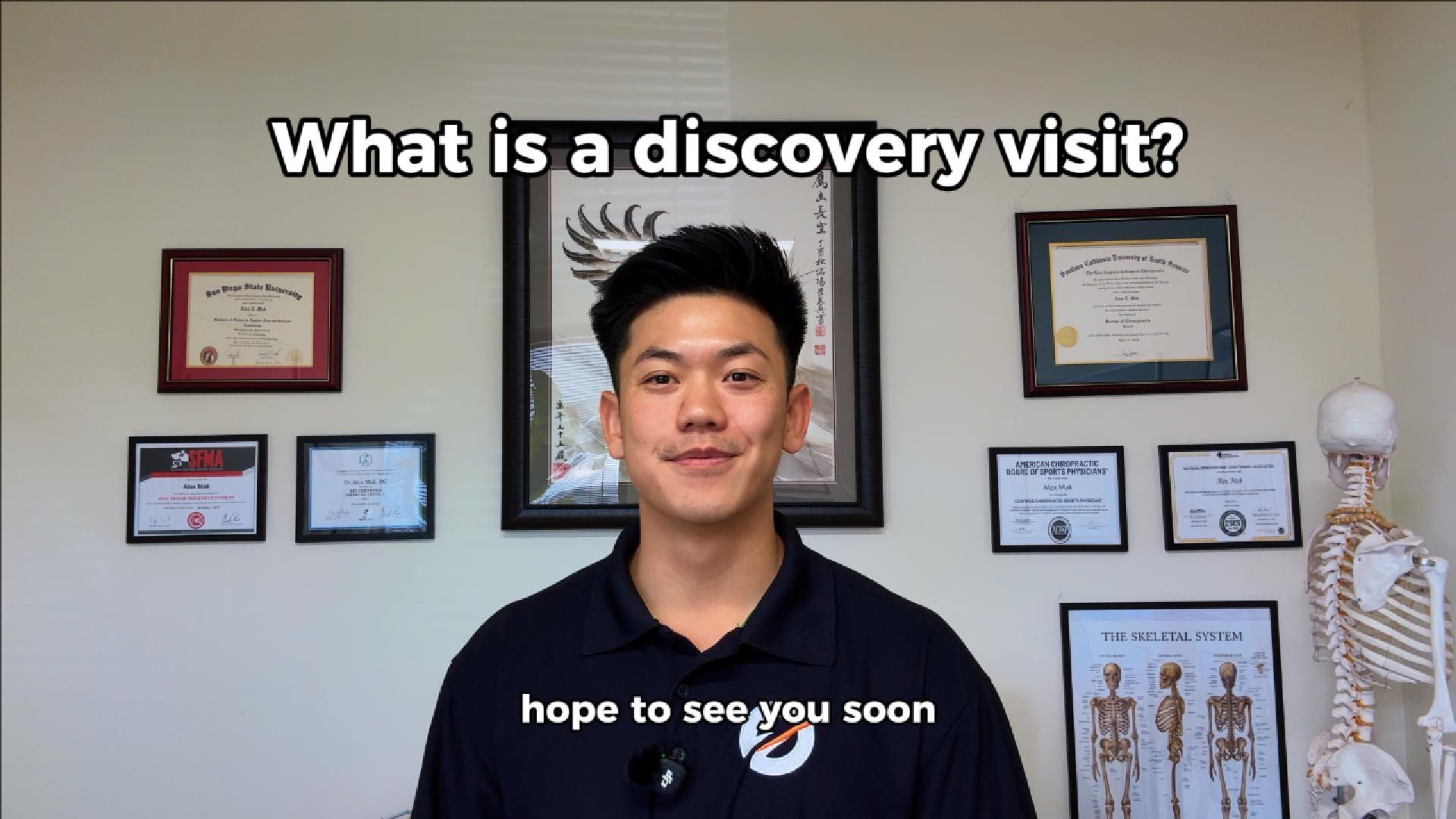
Your FREE First Visit
60minYour first step is a low-pressure visit to understand your body mechanics, what will resolve it, and explain our approach.
- Quick intake: what’s hurting, what triggers it, training goals
- Movement: mobility, strength, control, and sport-specific patterns
- Clear plan: observations, why it’s happening, best path forward
What You’ll Receive
- A clear clinical direction and root-cause hypothesis
- Recommended next steps, including a plan and projected timeline
- Practical guidance on what to do, and what to avoid, in training right now

What They’re Saying About Us





A movement exam helps separate ligament irritation, tendon overload, and TFCC symptoms based on location, loading patterns, and stability tests.
Racket sports load the wrist with high-speed acceleration and repeated impact. If mobility or strength is limited, tendons and joint structures take more stress.
TFCC irritation is commonly felt on the pinky side of the wrist, especially with gripping, rotation, and pushing up from a chair.
Numbness or tingling can signal nerve irritation. If it is persistent, worsening, or paired with weakness, it is worth evaluating sooner.
Not always. Many athletes do well with smart modifications, reduced aggravating positions, and a plan to rebuild capacity rather than fully stopping.
It depends on severity, duration, and sport demands. Acute issues may improve in a few visits, while chronic or recurring pain often needs a longer progression.
Reduce painful loading, avoid end-range positions that spike symptoms, and focus on controlled mobility plus light strengthening until you are assessed.
Yes. Post-fracture stiffness and weakness respond well to progressive mobility, load tolerance, and grip retraining.

Dr. Alex Mak, DC, CCSP, CSCS, QME
I was the kid who was told to quit after years of sports and constant injuries, so I became the provider I never had, earning a kinesiology degree at SDSU, graduating chiropractic school summa cum laude, and doubling my clinical hours to obsessively master human movement. Olympus Sports Therapy is built on identifying the root cause, building a real progression plan, and guiding athletes from pain and setbacks back to stronger performance.

Seek medical attention immediately if you experience:
Severe or worsening pain that doesn’t improve with rest Numbness or tingling spreading down both legs Loss of strength in your leg or foot Difficulty controlling bladder or bowel function Pain following a fall, accident, or trauma